Top Environment Policies Biden Could Reinstate

Updated: Dec 7, 2020

Over the last four years, scientists, activists and average citizens alike have watched as President Donald Trump deregulated and abandoned hundreds of government protections for the environment. Through a consistent culling of longstanding EPA staff and a flourish of his sharpie pen on endless executive orders, the President has created what is now known as an “era of deregulation."
The United States created a precedent of care for the environmentnative species and natural resources starting with the Nixon administration and the Environmental Protection Agency in 1970. Although political shortcomings have roadblocked the country’s path to reducing pollution and expanding sustainability across everyday life and industry, the EPA stands behind hundreds of initiatives aimed at protection and preservation.
Landmark legislation through the EPA includes the Clean Air Act of 1970, the Clean Water Protection Act of 1970, and the Endangered Species Act of 1973.
In the first week of his presidency, Trump passed an executive order mandating that for every regulatory law enacted - not just environment policies - two pre-existing laws have to be struck down.
On the precipice of a new administration, here’s a look at some of the top policies president-elect Joe Biden is likely to reinstate.
Resource Drilling and Mining
Biden is under pressure to limit offshore oil drilling, which President Trump expanded in 2017 to nearly all coastal waters including the Atlantic, Pacific and Gulf coasts.
The President has shown varied interest in mining ventures. He has pushed to open the Grand Canyon to ‘rare earth mining’ in an effort to domestically source valuable materials like lithium. In a change of direction, the EPA announced August 24 that it would delay the permit for the Pebble Mine, a controversial gold mining operation in Bristol Bay, Alaska. Both are protected lands with untold cultural and environmental value.
In an effort to boost voter support from industrial workers, the Trump Administration rolled back restrictions on emissions from coal-burning power plants. The EPA announced in November 2020 a refocused effort on protecting the nation's waterways, while also repealing the 2015 Obama-era toxic wastewater disposal mandate.
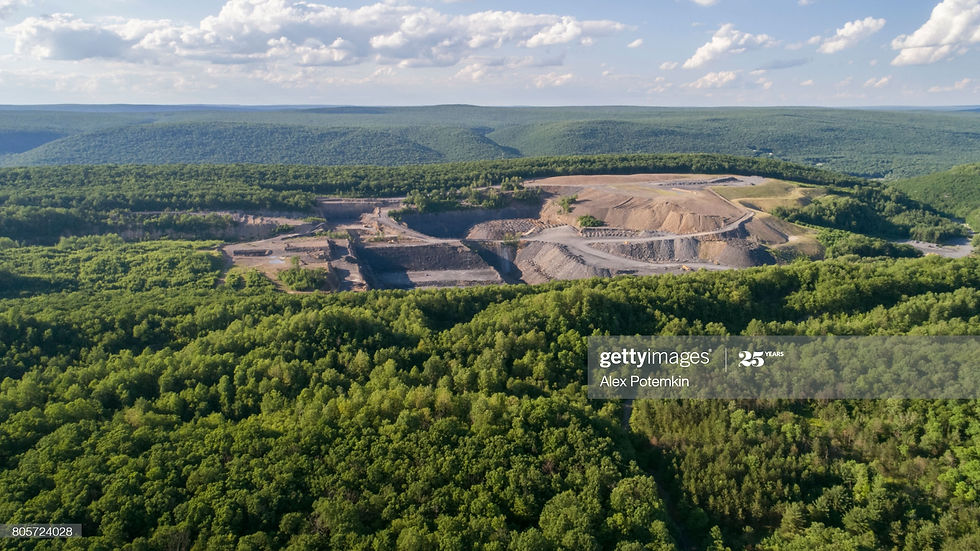
The President called on coal miners and power plant workers throughout his 2020 campaign in states like Pennsylvenia and West Virginia, even trying to create a dialogue with voters through Twitter.
The current Administrator of the EPA, Andrew Wheeler, is a former coal industry lobbyist who worked on behalf of coal magnate Robert E. Murray.
As president, Joe Biden has promised to use his office to reshape government agencies like the EPA and utilize the power of executive orders to reverse many of the rollbacks that have taken place over the last four years.
When it comes to regulation of top industry polluters like oil and mining, Biden’s duty is not only to his promises to combat climate change through green technology. They are also to the industry workers he promised to help and support regardless of their profession or politics.
In the next presidency, there must be consideration for both.
Animals and Environment
The Endangered Species Act of 1973 gives the EPA broad authority to monitor ecosystems throughout the country. Much of the enforcement of the ESA is tasked to the U.S. Fish and Wildlife Services and the National Oceanic and Atmospheric Administration (NOAA). Officials must access threats to species including “habitat destruction, pollution, over-harvesting, disease, predation and other natural or man-made factors”
Officials at the EPA have targeted hallmark species covered by the Act. Over the last four years, well known species like the American Bison, Grizzly Bears, and the Grey Wolf have been stripped of their endangered designation or denied protection. These cornerstone species say they play an important role in upholding overall biodiversity in what little wilderness is left in the United States.

Yellowstone National Park is the focal point for the battle over Grizzly Bear designation since the 1970s. Thanks to conservation programs from the National Park Service and U.S. Fish and Wildlife, the population has risen from 163 in 1978 to 728 in 2019.
The argument about Grizzly Bear’s status on the endangered species list is constantly up for debate in bureaucracy, but scientists and rangers with Yellowstone say they “value grizzlies as a dominant species in the ecosystem.”
In 2017, the EPA under then-director Scott Pruit removed Grizzlies from the Endangered Species Act. In 2018, a federal judge ordered that Grizzlies in the Greater Yellowstone Ecosystem should receive protections, effectively covering populations in Wyoming and Idaho.
Legal actions like these are sometimes the only way to ensure the protection of endangered species. When government organizations continue to remove protections, advocates are pushed to find resources within lower courts and state powers.
By focusing on re-establishing the Endangered Species Act, the Biden administration can tackle both land and animal protection, encompassing the ecology of species habitats.


Comments